Syracuse: Where Time Sleeps in Stone and Sea
An unforgettable journey into Sicily’s ancient soul
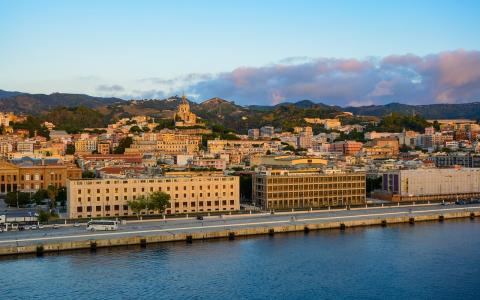
Few places in Sicily capture the essence of Mediterranean culture and layered history quite like Syracuse. Nestled on the island’s southeastern coast, this timeless city is a living mosaic of civilizations, where ancient ruins and Baroque elegance coexist under the golden Sicilian sun. From the rich archaeological treasures of the mainland to the radiant charm of Ortigia Island, Syracuse offers a deeply immersive cultural experience—one that speaks not just of the past, but of the enduring spirit of Sicily itself.
Once one of the most powerful cities of the ancient world, Syracuse was described by Cicero as “the greatest and most beautiful of all Greek cities.” Founded by Corinthian settlers in the 8th century BCE, it became a thriving center of science, philosophy, and politics. Its influence stretched far across the Mediterranean, and today, visitors can still trace the outlines of this greatness in its archaeological wonders and vibrant streets.
A journey through Syracuse often begins with a scenic drive along Sicily’s eastern coastline, where the azure sea glints beyond citrus groves and ancient farmhouses. As you enter the city, the landscape transforms into a rich blend of historical sites, Baroque architecture, and coastal vistas that captivate the eye and stir the imagination.
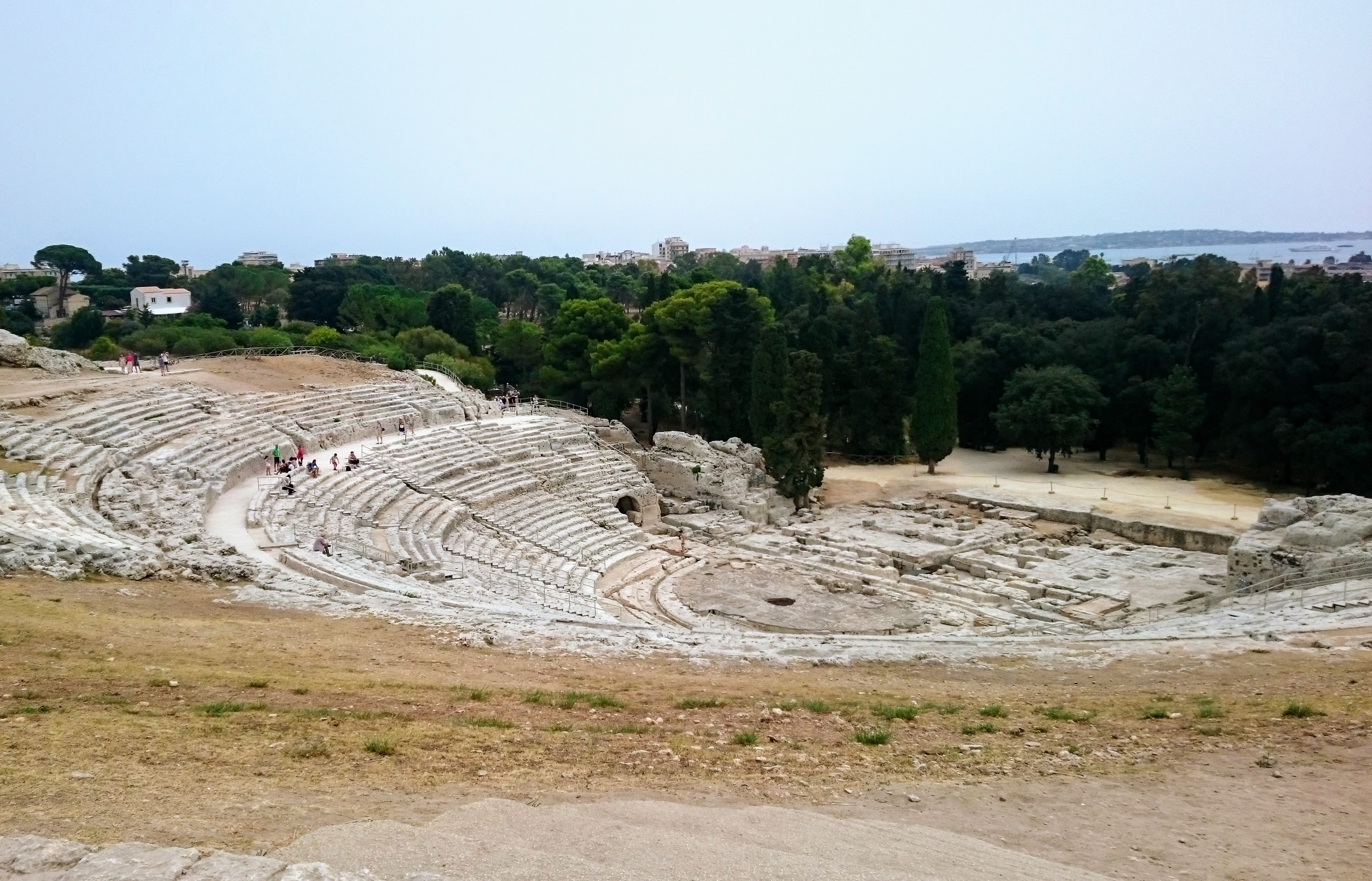
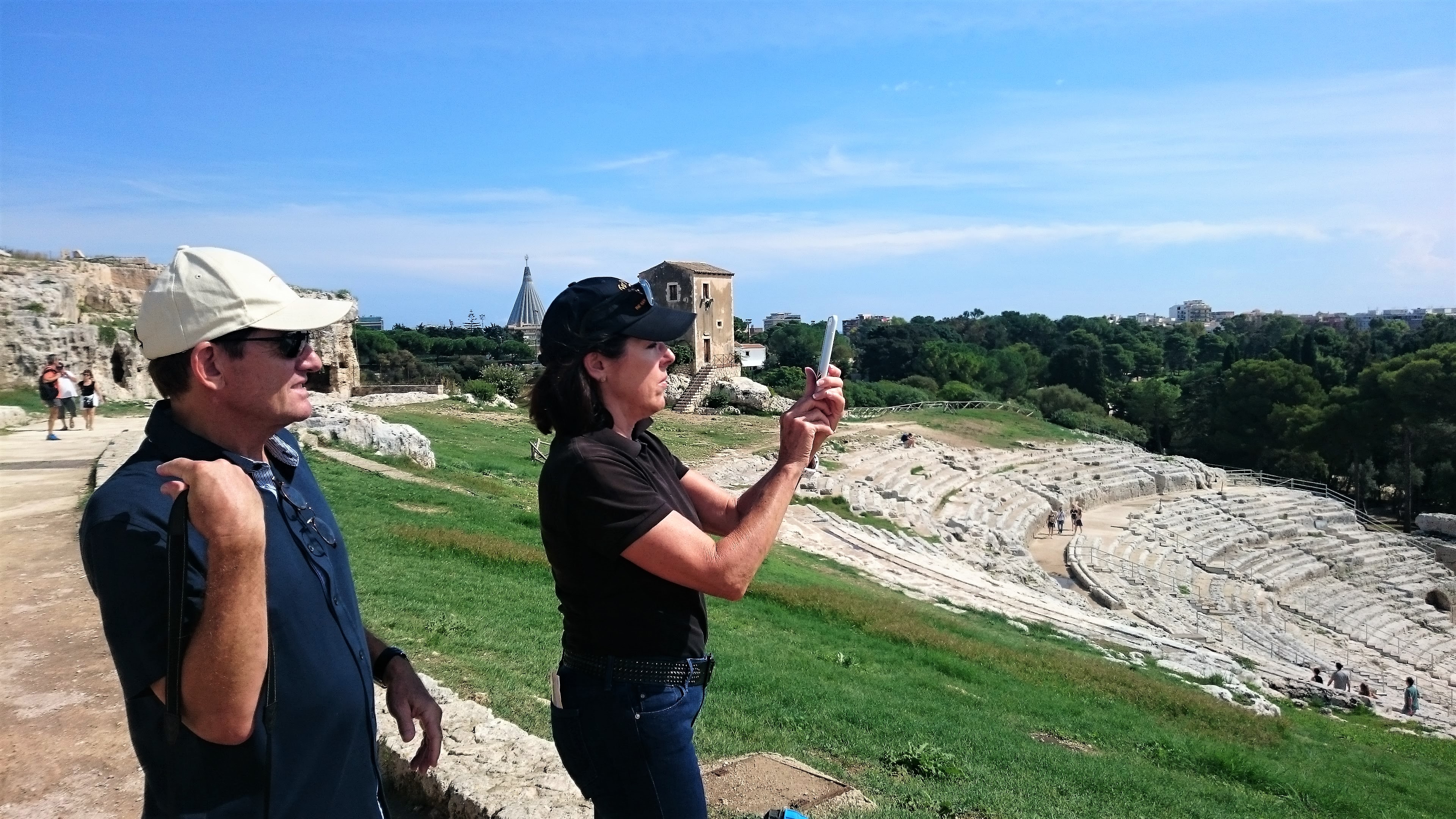
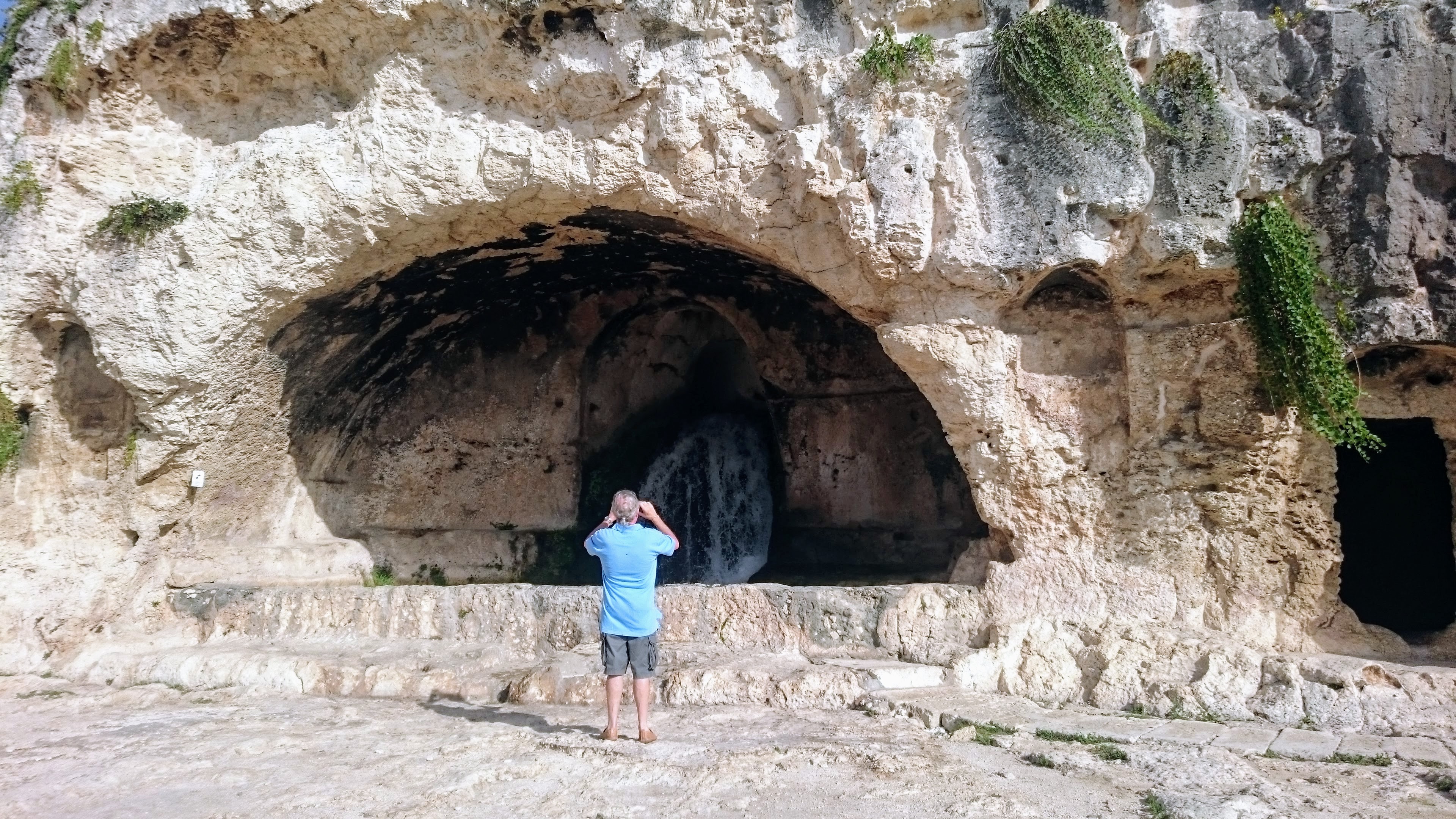
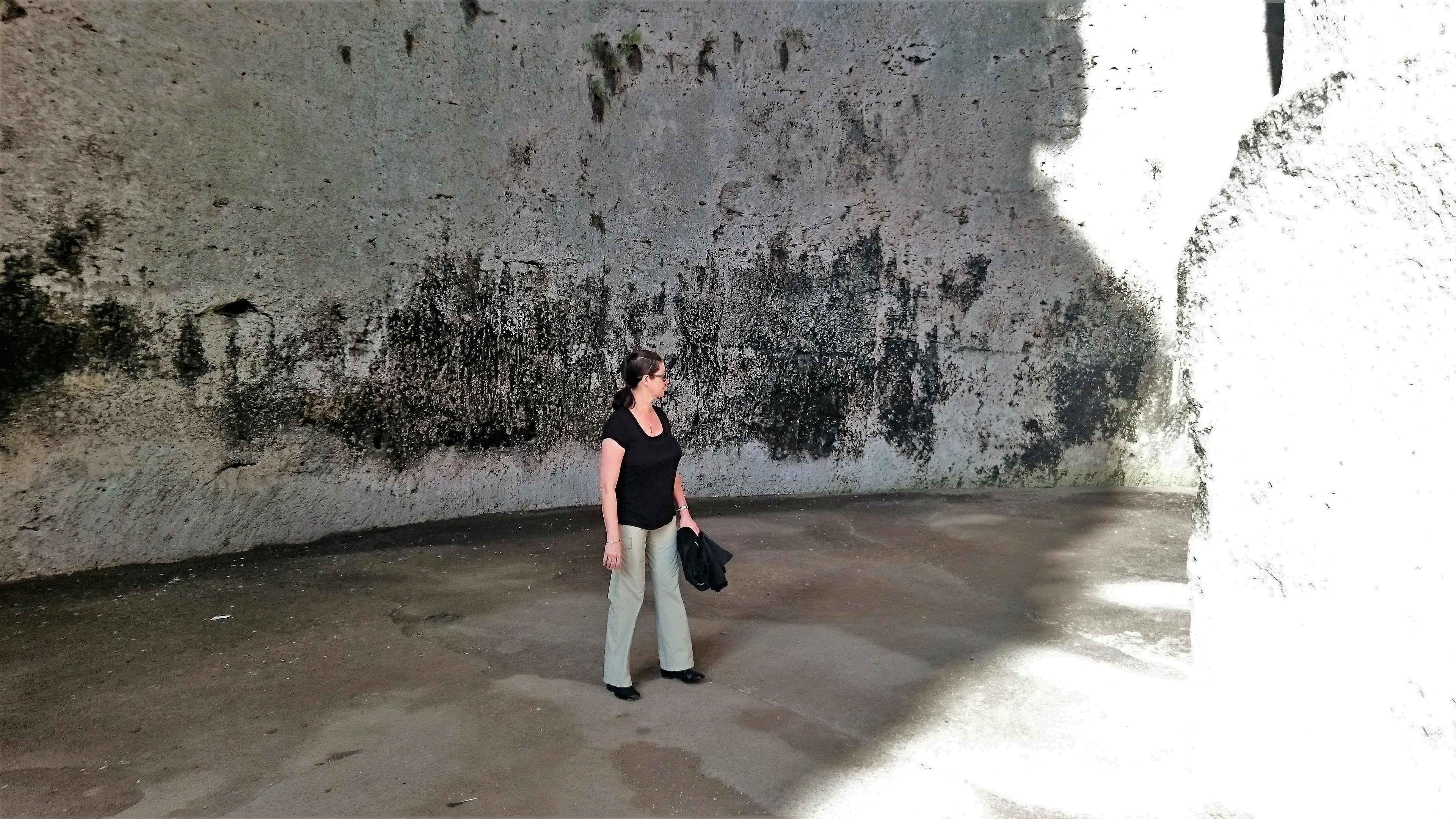
The heart of Syracuse’s ancient glory lies in the Archaeological Park of Neapolis, one of the most important classical sites in Italy. Here, you can wander among monumental relics that whisper stories of the past. The Greek Theatre—still used today for performances—offers a breathtaking view over the city and sea. Its vast semicircle of stone seats once welcomed thousands of spectators and is a powerful symbol of Syracuse’s cultural heritage. Nearby, the Ear of Dionysius, a mysterious cave with extraordinary acoustics, draws both awe and curiosity. Legends claim the tyrant Dionysius used it to eavesdrop on prisoners—just one of many intriguing tales that linger among these ruins.
But Syracuse is not just about Greek antiquity. The Roman Amphitheater, the Altar of Hieron, and traces of early Christian catacombs speak to the city’s multilayered history. The entire park invites reflection, where each step across the worn stones connects you with centuries of human endeavor and resilience.
From the mainland, a short drive or pleasant stroll leads you across a narrow bridge to Ortigia Island, the historic core of Syracuse. This enchanting island, barely a kilometer wide, is a masterpiece of Baroque architecture, winding alleys, sun-drenched piazzas, and waterfront promenades. It’s here that Syracuse reveals its most intimate and romantic self.
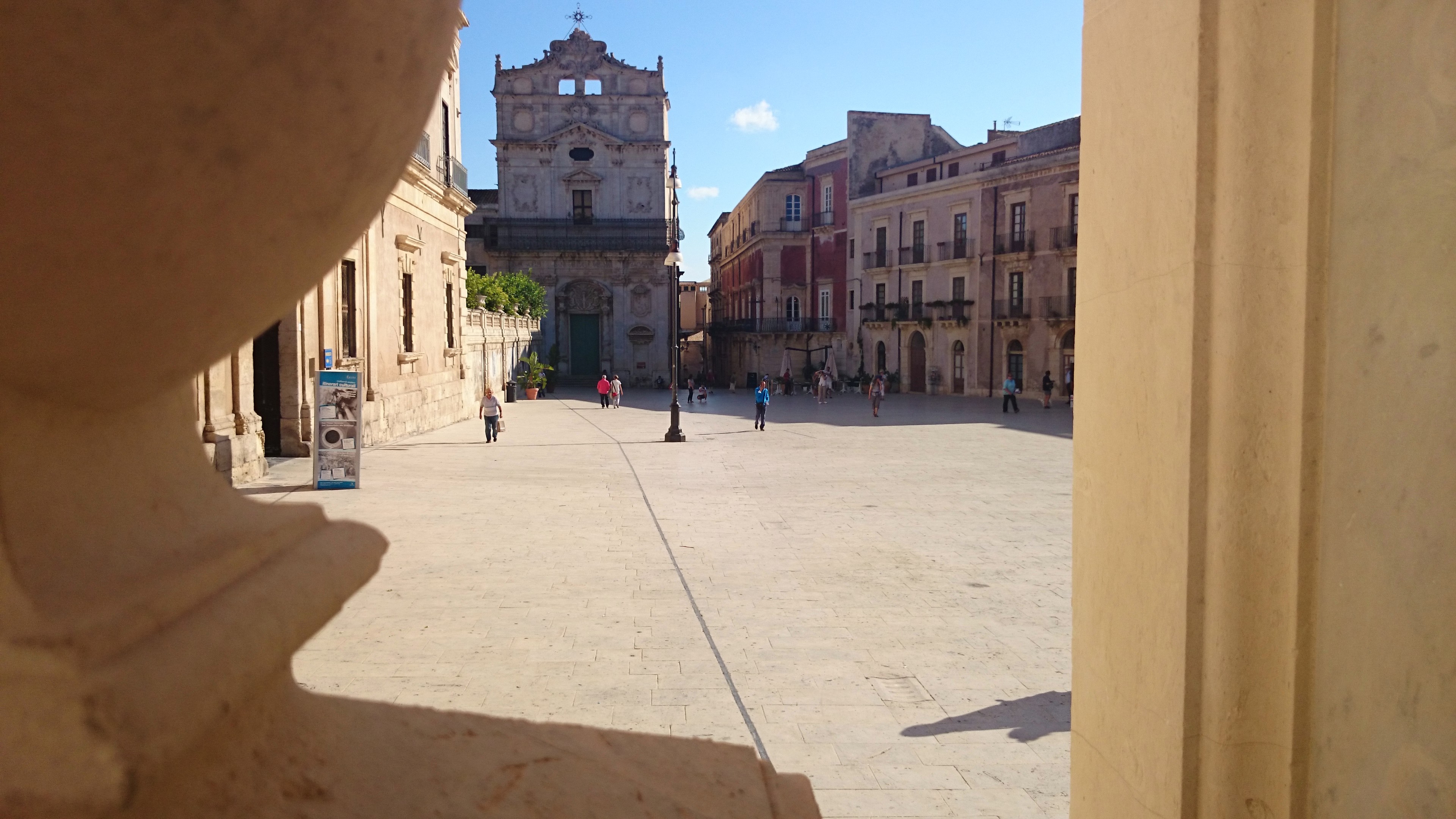
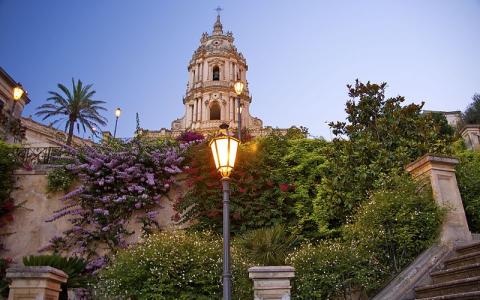
Lose yourself in the Piazza Duomo, where the Cathedral of Syracuse rises in luminous limestone. Built atop a former Greek temple, its columns are still visible within the church walls—a vivid illustration of the city’s continuity across eras. The square is framed by elegant palaces and cafés, where time seems to slow and every corner invites admiration.
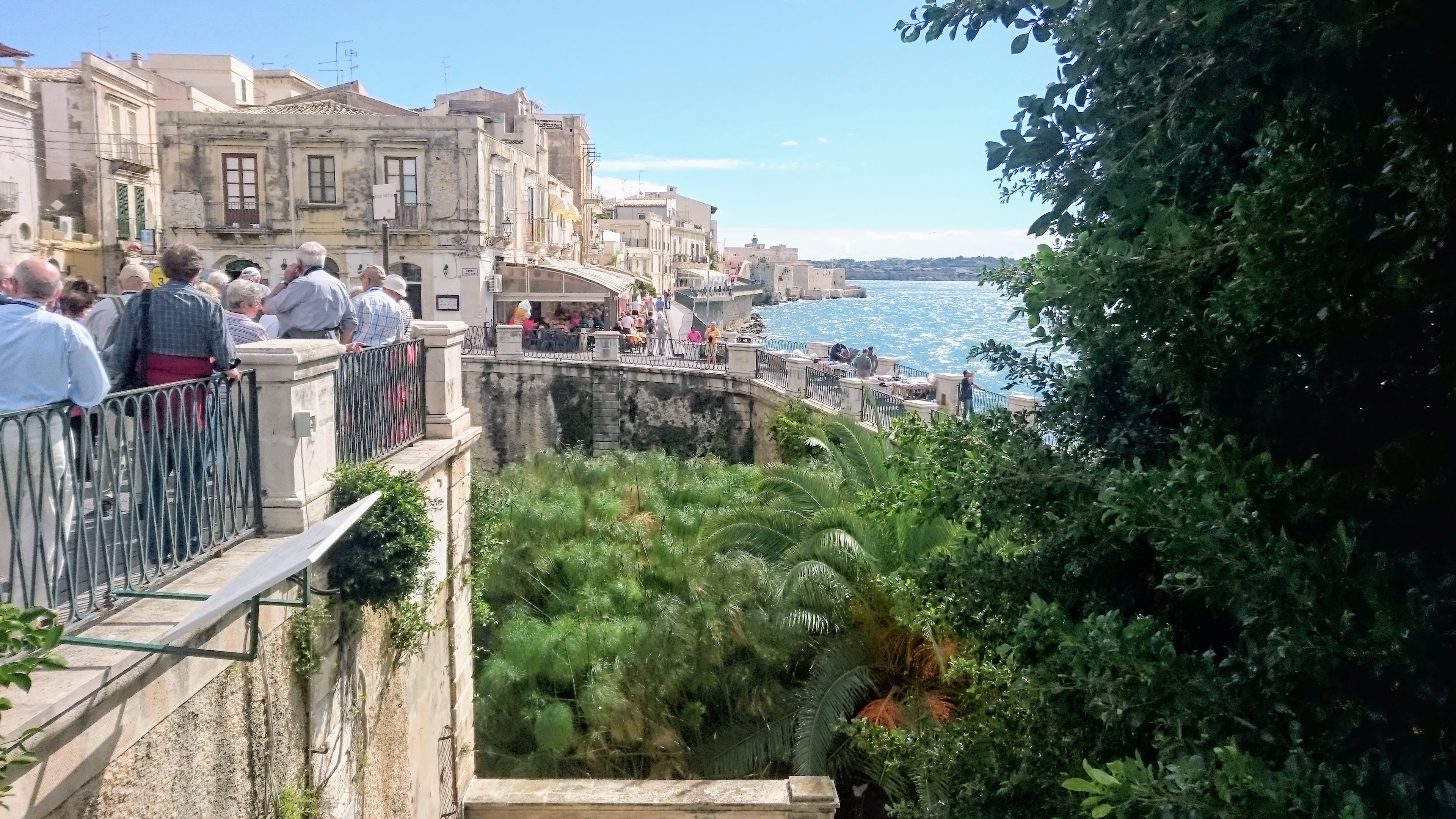
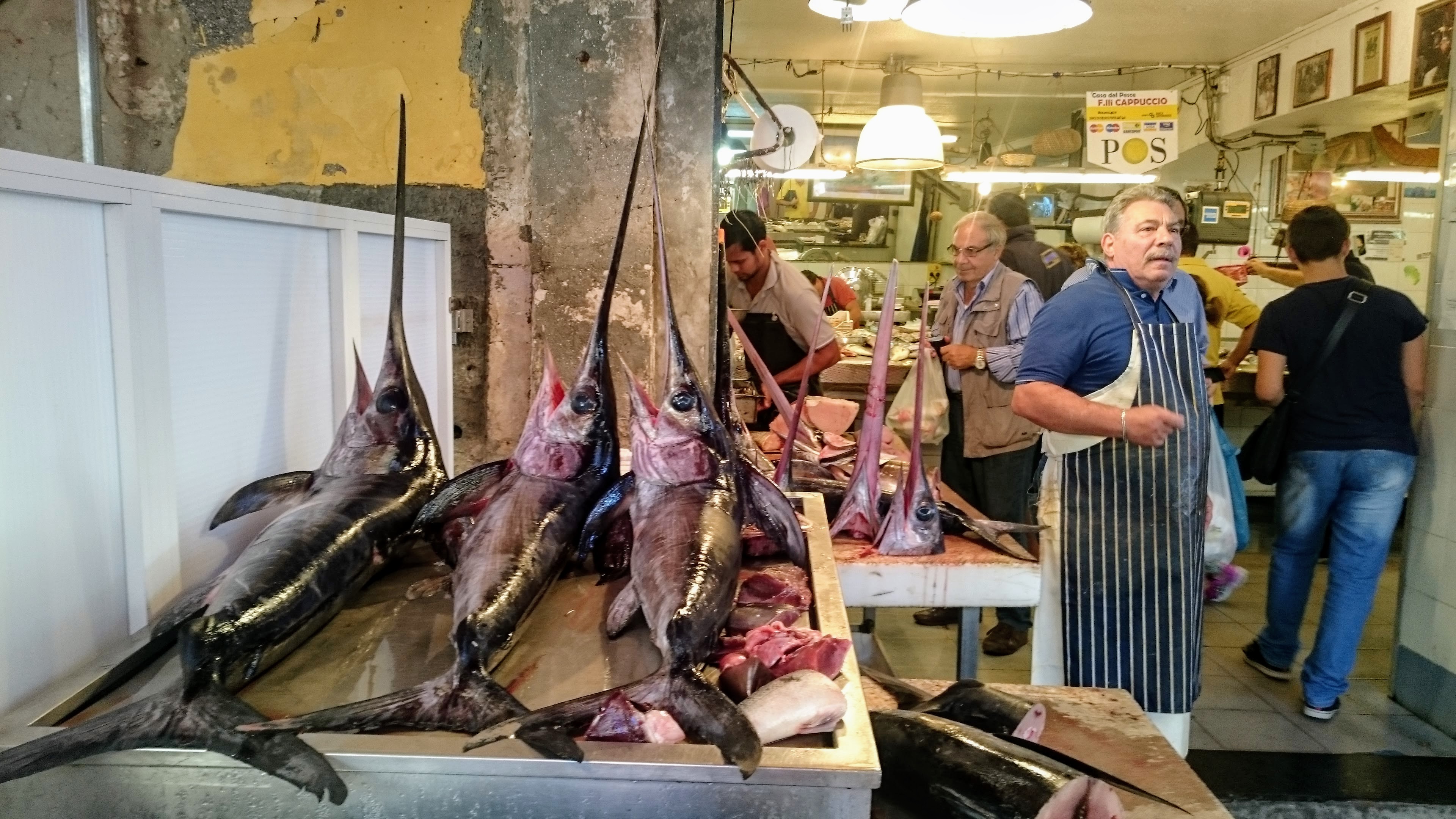
Ortigia’s local attractions are woven into daily life. The bustling open-air market, with stalls brimming with Sicilian produce, fish, spices, and cheeses, captures the spirit of the island’s food culture. Just beyond, the Fountain of Arethusa, surrounded by papyrus plants, nods to Greek mythology and to the enduring bond between people and place.
What makes a visit to Syracuse truly special is the interplay between discovery and relaxation. You might stroll along the seafront at sunset, with the gentle light washing over the ancient stone buildings, or duck into a tiny chapel carved into rock. You could marvel at hidden gems tucked behind unsuspecting façades or take a quiet moment to listen to church bells echoing down narrow lanes.
Exploring Syracuse with insider knowledge—whether through research, conversation with locals, or the help of someone who knows the rhythms of the city—reveals more than just history. It unveils the nuances of Sicilian life: the pride in craftsmanship, the stories behind noble houses, the layers of language, and the subtle shifts in architecture from Greek to Arab-Norman to Spanish Baroque.
Even the logistics of the journey enhance the experience. With comfortable transportation and a flexible schedule, it’s easy to move between highlights without stress. Whether you're arriving on a day trip from Catania or Taormina, or exploring the region more deeply, the road to Syracuse is itself part of the magic—winding through olive groves, lava-stone villages, and vistas that stretch from Ionian shores to Etna’s distant silhouette.
In this part of Sicily, history is not trapped behind museum glass—it is etched into streets and stories, tasted in local dishes, and felt in the warm hospitality of its people. Syracuse is not just a city to visit. It is a place to inhabit, to sense, and to remember.
And while the echoes of empires linger in its stone and sea, it is the harmony of past and present that makes Syracuse unforgettable. For those seeking depth, beauty, and a genuine connection to Sicily’s soul, few destinations offer such a rich, rewarding journey.